What Is Link Juice? Meaning, Examples, and How It Works
Link juice is SEO slang for the authority a link passes from one page to another. Here is what it means, how it flows, and how to get more of it.
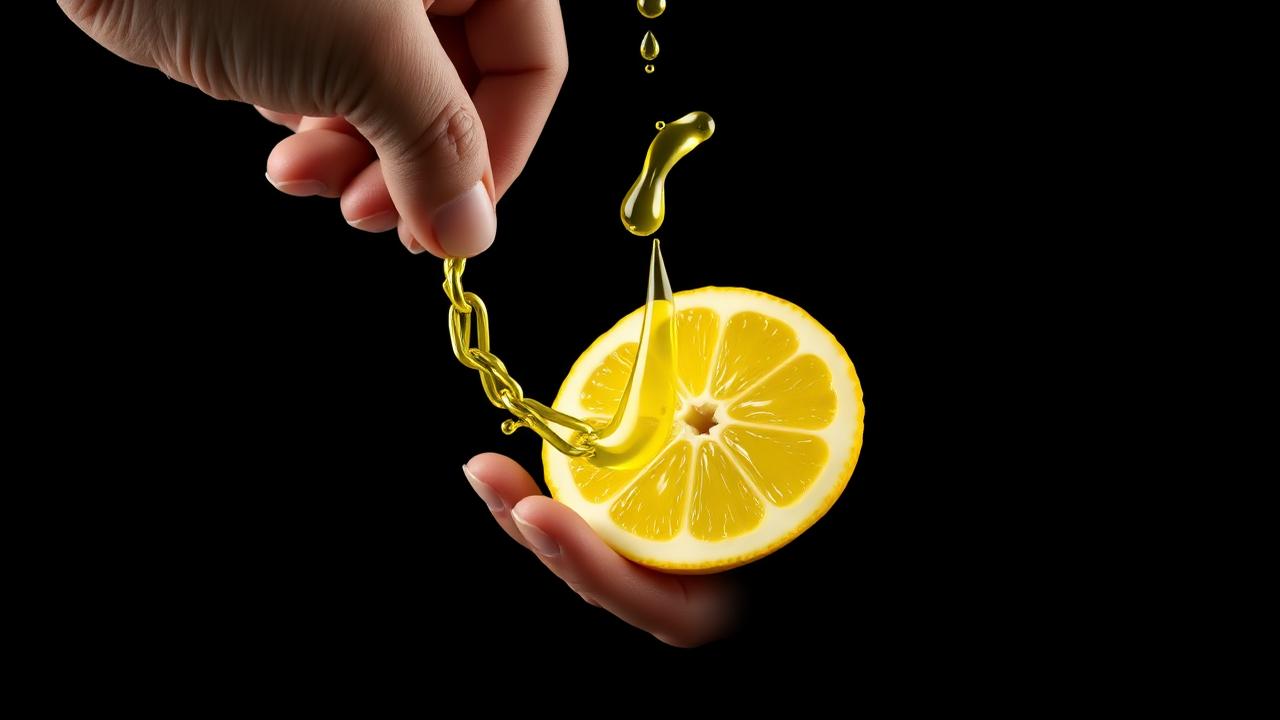
Link juice is the ranking value that one page passes to another through a link. The term comes from Google's PageRank algorithm. When page A links to page B, some of page A's authority flows to page B. The more juice a page receives, the stronger its ranking signal.
The meaning of link juice
Link juice is not an official Google term. It is SEO slang. Google itself talks about PageRank, the algorithm from the 1998 research paper by Larry Page and Sergey Brin at Stanford. In the original paper, every link is treated as a vote. A page with more votes, and votes from important pages, ranks higher.
SEOs found PageRank hard to say in meetings. So the industry started calling it link juice. The metaphor stuck because it is accurate. Authority behaves like a liquid. It pours from one page into the next, and it thins out as it spreads.
Today the term covers more than classic PageRank. Google also weighs relevance, anchor text, and link placement. But the core idea has not changed since 1998. Links move authority. Some links move more than others.
How link juice flows: a simple example
Imagine your homepage has 100 points of authority. It links to four internal pages. Each page receives roughly 25 points. The original PageRank formula also applies a damping factor of 0.85. That models a reader who sometimes stops clicking. In practice, each hop keeps about 85% of the value.
Now add a fifth link to the homepage. Each page now gets about 20 points instead of 25. Nothing was lost or created. The same juice was split into smaller glasses.
- 01.A page earns juice from every link that points to it.
- 02.It keeps some juice for its own ranking.
- 03.It shares the rest across every link on the page.
- 04.The pages it links to repeat the same process.
This is why one link from a strong page can beat fifty links from weak ones. The glass is bigger. Our free link juice checker tool estimates the size of the pour from real metrics like DR and organic traffic.
What decides how much juice a link passes
Not all links pour equally. Six factors decide the size of the pour.
- Authority of the linking page. A link from a page with strong backlinks passes more juice. This is the biggest factor.
- Authority of the linking domain. Google evaluates site-level trust too. A real domain with organic traffic beats an empty one.
- Topical relevance. A link from a page about your topic counts more. Google's SEO starter guide tells site owners to write descriptive, relevant anchor text for this reason.
- Number of outgoing links. A page with 10 links pours a bigger glass per link than a page with 300 links.
- Link placement. A link inside the main content carries more weight than a footer or sidebar link.
- Follow attribute. Dofollow links pass juice freely. Nofollow, UGC, and sponsored links are treated as hints since 2020.
Do nofollow, UGC, and sponsored links pass juice?
Sometimes. Before March 2020, nofollow was a hard directive. Google ignored those links completely. Then the model changed. In its evolving nofollow announcement, Google said nofollow, rel="ugc", and rel="sponsored" would become hints instead of directives.
A hint means Google may still count the link. It looks at the context and decides for itself. In practice, a nofollow link from a major news site can still move rankings. A nofollow link from a spammy forum usually does nothing.
We cover the two newer attributes in detail. Read what UGC links are and how UGC links affect SEO before you build either type on purpose.
Link juice examples in the real world
Three quick scenarios show how the theory plays out.
- A guest post on a DR 60 marketing blog. The post sits in the main content with one link to your site. Strong page, real readers, clean link profile. This is a full glass.
- A comment link on a random forum thread. The thread has 400 outgoing links and no organic traffic. The glass is nearly empty, and the link is probably UGC anyway.
- An internal link from your homepage. Your homepage is usually your strongest page. A contextual link to a new article passes real internal link juice on day one.
Old URLs matter too. When you move a page, a 301 redirect forwards the juice to the new address. Our guide on 301 redirect link juice explains exactly what survives the move.
How to earn more link juice
There are three honest levers. First, earn links on pages that already have authority and real traffic. Second, keep your internal linking tight so the juice you earn reaches the pages that need it. Third, reclaim lost juice with redirects when you delete or move content.
What you should not do is buy bulk links from networks built to sell them. Google's link spam policies target exactly that pattern. A manual action removes the juice and the rankings with it.
If you want the fast version, we do the sourcing by hand. Our handmade backlinks come from a private list of real-traffic domains, and you can browse the live inventory before you spend a dollar. One good pour beats a hundred drops.
FAQ
No. Google has never used the phrase in its documentation. The official concept is PageRank, named after co-founder Larry Page. SEOs coined link juice as an easier way to explain how PageRank flows between pages.